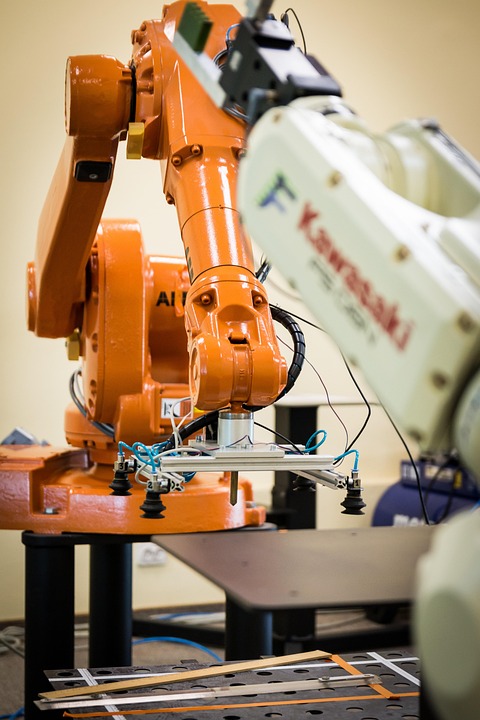
The world of copywriting has undergone a significant transformation in recent years, thanks to the rapidly evolving field of artificial intelligence (AI). The robot revolution, as it’s come to be known, is changing the game for businesses, marketers, and writers alike. In this article, we’ll explore the rise of AI copywriting, its benefits and drawbacks, and what the future holds for this exciting technology.
What is AI Copywriting?
AI copywriting refers to the use of artificial intelligence algorithms and machine learning techniques to generate high-quality, engaging copy for various marketing channels, including social media, websites, and advertising campaigns. These AI-powered tools can analyze vast amounts of data, identify patterns, and learn from human writers to produce content that resonates with target audiences.
How Does AI Copywriting Work?
AI copywriting tools typically work by using natural language processing (NLP) and machine learning algorithms to analyze a set of inputs, such as:
- Brand guidelines and tone of voice
- Target audience demographics and preferences
- Competitor analysis and market trends
- Keyword research and optimization
These inputs are then used to generate copy that meets the specific needs of the project, whether it’s a social media post, product description, or landing page. The AI algorithm can also learn from human feedback, adapting and improving its output over time.
Benefits of AI Copywriting
The benefits of AI copywriting are numerous, including:
- Increased efficiency: AI copywriting tools can produce high-quality copy at a much faster rate than human writers, freeing up time and resources for more strategic tasks.
- Improved consistency: AI algorithms can ensure consistency in tone, style, and branding across all marketing channels, reducing the risk of human error.
- Enhanced personalization: AI copywriting tools can analyze vast amounts of data to create highly personalized content that resonates with individual customers.
- Cost savings: AI copywriting can reduce the need for human writers, saving businesses time and money on content creation.
Drawbacks of AI Copywriting
While AI copywriting has many benefits, there are also some drawbacks to consider:
- Lack of creativity: AI algorithms, no matter how advanced, can struggle to match the creativity and originality of human writers.
- Dependence on data quality: AI copywriting tools are only as good as the data they’re trained on, so poor data quality can result in subpar output.
- Limited emotional intelligence: AI algorithms can struggle to understand nuances of human emotion, leading to copy that may come across as insensitive or tone-deaf.
The Future of AI Copywriting
As AI technology continues to evolve, we can expect to see significant advancements in AI copywriting. Some potential developments on the horizon include:
- More sophisticated NLP capabilities: Future AI copywriting tools may be able to better understand nuances of human language, leading to more effective and engaging copy.
- Integration with other marketing channels: AI copywriting may become more closely integrated with other marketing channels, such as video and audio content, to create a more seamless user experience.
- Increased transparency and explainability: As AI copywriting becomes more widespread, there may be a growing need for transparency and explainability in AI decision-making, to ensure that businesses and marketers understand how their copy is being generated.
In conclusion, the robot revolution is well underway in the world of copywriting, and AI copywriting is changing the game for businesses and marketers. While there are benefits and drawbacks to consider, the potential of AI copywriting to increase efficiency, improve consistency, and enhance personalization is undeniable. As the technology continues to evolve, we can expect to see even more exciting developments in the world of AI copywriting.