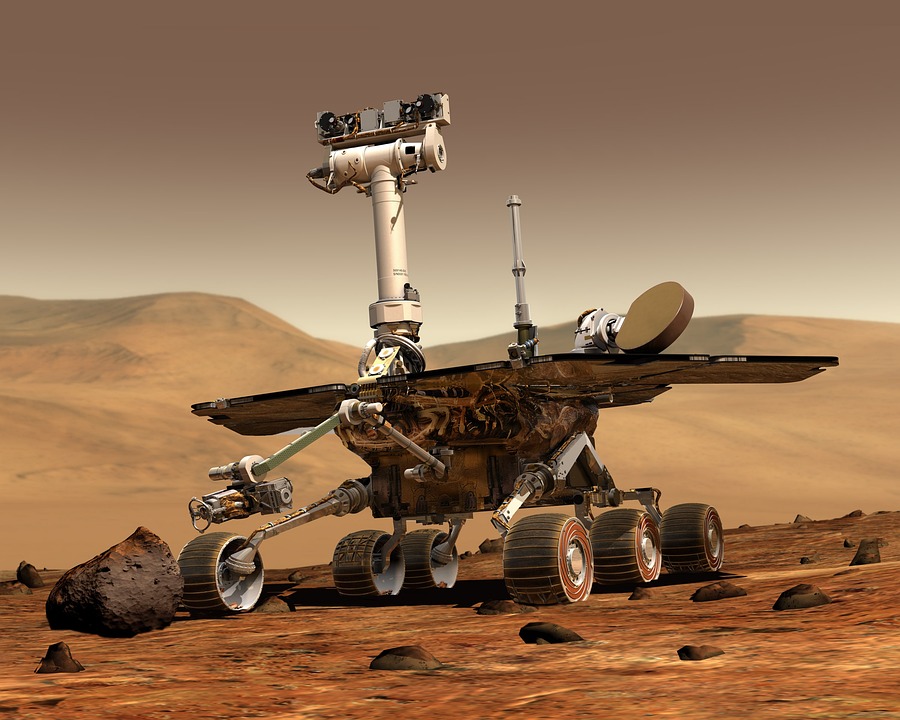
The field of scientific research is undergoing a significant transformation, thanks to the increasing use of artificial intelligence (AI) and automation. Robot researchers, equipped with AI-powered tools and algorithms, are now playing a crucial role in accelerating scientific discovery and innovation. In this article, we will explore the current state of AI automation in scientific research, its benefits, and the potential implications for the future of scientific discovery.
The Rise of Robot Researchers
Traditionally, scientific research has been a labor-intensive and time-consuming process, requiring human researchers to collect and analyze data, conduct experiments, and interpret results. However, with the advent of AI and automation, robot researchers are now capable of performing many of these tasks with greater speed, accuracy, and efficiency. From data analysis and simulation to experiment design and execution, AI-powered tools are revolutionizing the way scientists conduct research.
One of the key advantages of robot researchers is their ability to process and analyze vast amounts of data quickly and accurately. This enables scientists to identify patterns, trends, and correlations that may have gone undetected by human researchers. Additionally, AI-powered tools can simulate complex experiments, reducing the need for physical prototypes and minimizing the risk of errors.
Applications of AI Automation in Scientific Research
AI automation is being applied in a wide range of scientific fields, including physics, biology, chemistry, and materials science. Some examples of AI-powered research include:
- High-energy physics: AI algorithms are being used to analyze data from particle collisions, helping scientists to identify new subatomic particles and understand the fundamental nature of matter.
- Genomics: AI-powered tools are being used to analyze genomic data, enabling scientists to identify genetic variants associated with disease and develop personalized medicine.
- Materials science: AI algorithms are being used to design and simulate new materials with unique properties, such as superconductors and nanomaterials.
Benefits of AI Automation in Scientific Research
The use of AI automation in scientific research offers several benefits, including:
- Increased speed and efficiency: AI-powered tools can process and analyze data much faster than human researchers, accelerating the pace of scientific discovery.
- Improved accuracy: AI algorithms can reduce errors and improve the accuracy of results, enabling scientists to make more reliable conclusions.
- Enhanced collaboration: AI-powered tools can facilitate collaboration between researchers, enabling them to share data, methods, and results more easily.
Challenges and Limitations
While AI automation has the potential to revolutionize scientific research, there are also challenges and limitations to be addressed. These include:
- Data quality and availability: AI algorithms require high-quality data to produce accurate results, but data may be limited or biased in some fields.
- Interpretation and validation: AI-powered results require interpretation and validation by human researchers to ensure their accuracy and reliability.
- Ethical considerations: The use of AI automation in scientific research raises ethical concerns, such as the potential for bias and the need for transparency and accountability.
Conclusion
In conclusion, AI automation is transforming the field of scientific research, enabling robot researchers to play a crucial role in accelerating scientific discovery and innovation. While there are challenges and limitations to be addressed, the benefits of AI automation in scientific research are clear. As the field continues to evolve, we can expect to see significant advances in our understanding of the world and the development of new technologies and innovations.